Practical reading on guided surgery.
Short articles on planning, printing and the details that decide whether a guide seats.



Practical reading on guided surgery.
Short articles on planning, printing and the details that decide whether a guide seats.
 Guided surgeryTooth, tissue or bone: choosing the right guide supportThe support a guide rests on decides how accurately it seats. Tooth-supported guides are the most stable when enough teeth…Read
 PlanningWhat to send with a CBCT so the plan is right first timeA good plan starts with good records: a CBCT with the teeth slightly apart, an intra-oral scan of both arches…Read
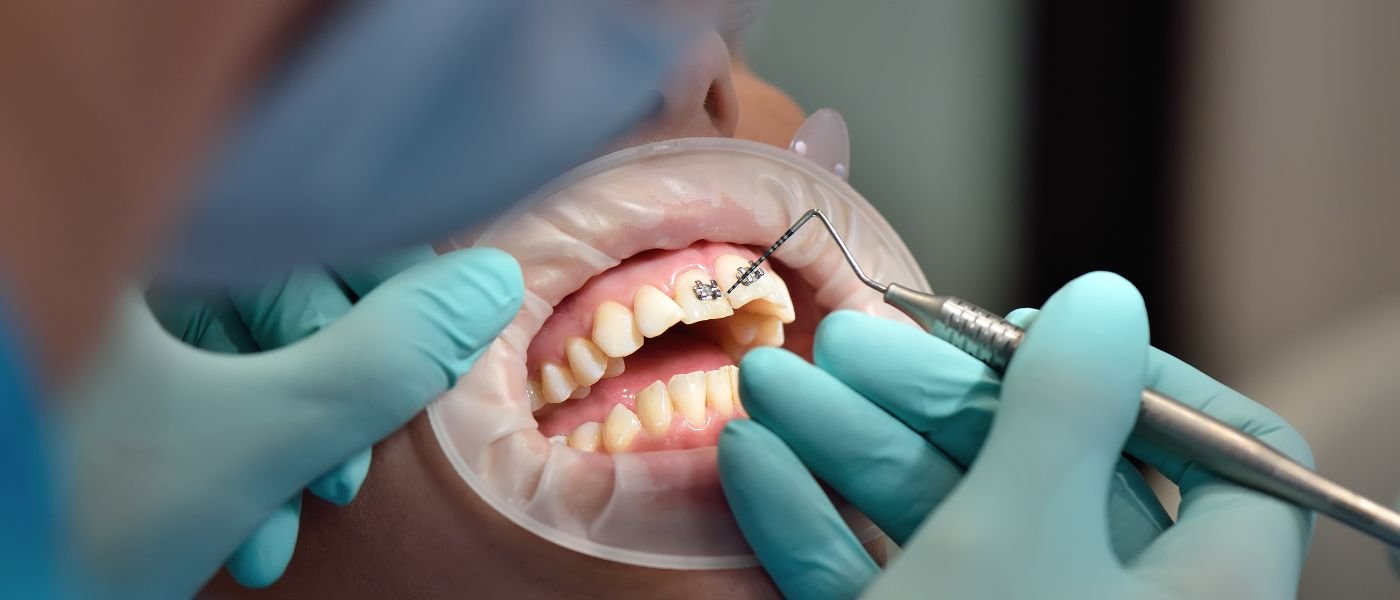 Guided surgeryWhy a guide does not seat, and how to check before surgeryMost seating problems come from the scan, not the design: distortion across the arch, movement during the CBCT, or printing…Read
 3D printingPrinting surgical guides in-house: a short validation routinePrint a calibration piece with every build, measure it, and record the result. Check sleeve fit with the actual sleeve.…Read
Asked before a first case.
If yours is not here, send it with the case or call the studio.
A CBCT volume, an intra-oral or model scan, the implant system you plan to use and a short description of the restorative goal.
Most major systems and their guided kits. Tell us what you use and we confirm sleeve and drill compatibility before design starts.
Yes. You receive print-ready files with orientation and post-processing notes, or we can arrange fabrication and shipping.
Changes requested before approval are part of the service. We explain what is feasible and what is not.
Standard design is returned within two working days of receiving complete records. Tell us the surgery date and we confirm before we start.
Send us the case. We will review the workflow with you.
Then we design the guide around how your practice actually works.